

This second manuscript is part of an unfolding trilogy born from a singular realization: the resources and tools for a hydrologic shield already exist. They are distributed across agencies, campuses, tribal lands, watersheds, and disciplines—but they are here. The science is here. The engineering is here. The ancestral and ecological processes are here.
I am writing this work because wildfire resilience, water quality, air quality, habitat, carbon storage, and ecological health are not separate issues; they are the same system viewed from different elevations. When we structure water as both foundational infrastructure and a vital living system, we moderate fire behavior, cool microclimates, stabilize soils, expand habitat, and restore environments.
This work allows me to create, to think, to build, and to contribute something meaningful. It lets me step into a collective responsibility I have felt and have now accepted fully. It gives me purpose. I hope the manuscripts’ logic helps others see what California’s diverse landscapes demand: resilience is not a single intervention but a cumulative, reinforcing architecture. Science and traditional wisdom can be organized for profound, measurable outcomes. The solutions we need are already emerging around us. The individual pieces are simply waiting to be sequenced, layered, and assembled into something coherent, respectful, and durable. The conceptual campus doesn’t need a building before the work begins—it starts with people choosing to collaborate, to listen, and to build something aligned. Hydrologists, TEK practitioners, engineers, planners, agency staff, and community members all have a place inside this model.

The Analytical Architecture: Structural embodiment of the hermeneutical spiral applied to environmental science.
1. Manuscript #1 (The Parts - Existence): Introduces a comprehensive "Hydrologic Shield" framework, pivoting wildfire management from reactive suppression to proactive, multi-scale water retention to enhance landscape moisture and thermal inertia. It serves as a foundational blueprint, defining the vocabulary of resilience to be practically tested through subsequent manuscripts.
2. Manuscript #2 (The Integration - Expansion): The spiral advances from hydrologic practices to the institutional architecture required for wildfire moderation. It aligns scientific data, regulatory mandates, and field operations into a coordinated system. By synthesizing soil dynamics, wetland prototypes, and basin-scale restoration, institutions can generate cumulative moisture effects across a continuous regional framework. Ultimately, this integration establishes an adaptive system that leverages hydrology and collective insight to advance basic processes.
3. Manuscript #3 (The Whole - Transcendence): The 3rd manuscript arrives at the top of the spiral and examines macro‑scale cumulative hydrology. At this level, managing water with infrastructure gives way to delegating hydrologic control back to nature. By restoring beavers to reinforce hydrologic influences, linking wetlands via dynamic soil mixtures and fungal inoculation, and reopening floodplains and whole watersheds, the landscape’s self‑organizing systems rebuild moisture, stabilize hydrologic variability, and enhance ecological coherence.
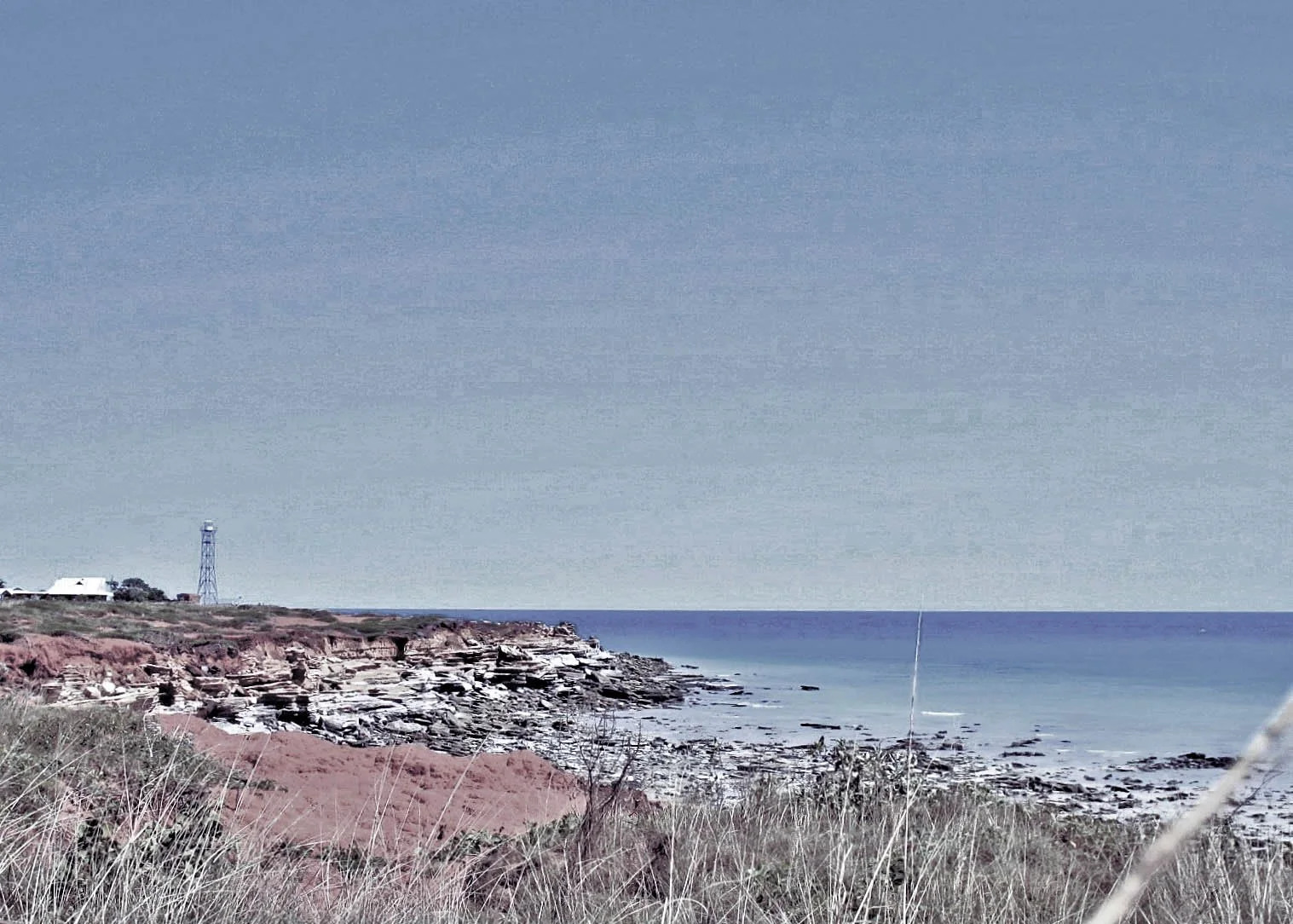
These modeled projects strengthen local water cycles by capturing, storing, infiltrating, and slowly releasing moisture through air, soil, and vegetation. This process creates a Hydrologic Shield—a cumulative moisture system that moderates wildfire behavior and stabilizes ecosystems and wildland urban interfaces.
The trilogy on cumulative hydrology serves as a practical application of the hermeneutical spiral, effectively evolving from mechanistic component analysis (Manuscript #1) through contextual integration (Manuscript #2) to holistic ecosystem management (Manuscript #3). This approach demonstrates a process of continuous, iterative deconstruction and reconstruction, reflecting an understanding of true ecological control and restoring of a self-organizing natural system.