
Beavers, Biomimicry, and the Hydrology of Resilience
Healthy watersheds depend on slow, stored, and distributed water — and few species shape hydrology more effectively than beavers. By building dams and expanding wetland systems, beavers transform narrow streams into hydrated, resilient landscapes holding water longer, supporting diverse vegetation, and buffering surrounding areas from drought, erosion, and wildfire. Understanding where beavers thrive, where they create conflict, and how their engineering can be mimicked with low‑tech structures is essential for communities and land managers working to restore moisture and stability across dry or fire‑prone regions.
How Beavers Shape Water
Beavers naturally create ponds, wet meadows, and slow‑moving water systems by building dams to provide shelter and protect them from predators. As water backs up behind these dams, it spreads into low‑lying areas and forms wetlands that deliver multiple hydrologic benefits, including:
increased infiltration and soil moisture
higher local water tables
water storage through dry seasons
humid microclimates
reduced downstream erosion
support for wetland vegetation
slower fire spread across valleys and riparian corridors
Over time, these wetlands accumulate moisture, expand saturated soils, and increase humidity across the surrounding landscape. The result is a naturally hydrated system more resilient to drought and wildfire.
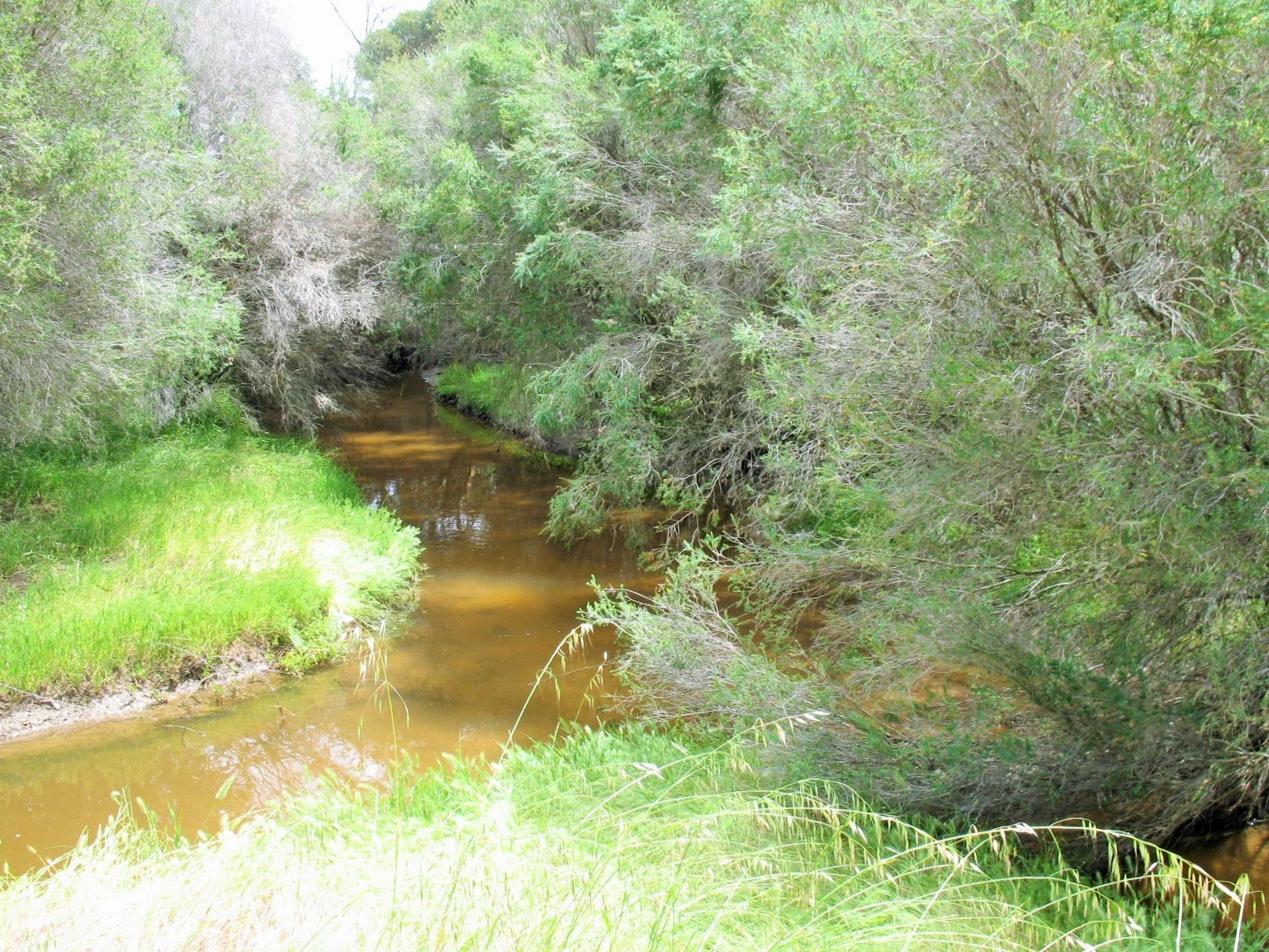
A natural wetland system shaped by slow water, shade, and dense vegetation.
When Beaver Translocation Makes Sense
Beaver relocation makes sense in large, undeveloped landscapes where their engineering can operate without creating conflicts. National parks, state parks, expansive rangelands, and forested watersheds provide the space and hydrologic freedom beavers need to build long‑term, self‑maintaining wetland systems. In these settings, dams built by beavers slow runoff, expand wet meadows, and increase groundwater recharge — creating a naturally wetter environment supporting vegetation, stabilizing soils, and strengthening the local water cycle. These benefits accumulate over time, turning dry or seasonally stressed areas into hydrated, resilient ecosystems.
When Beaver Translocation Doesn’t Make Sense
Beaver relocation does not make sense in areas close to homes, farms, or infrastructure. Their dams can overwhelm culverts and engineered drainage systems, causing water to back up into roads, yards, and basements. Flooded areas can damage crops, reduce agricultural productivity, and create costly erosion problems. Beavers also burrow into banks, which can undermine the structural integrity of roads, bridges, and levees. In urban and suburban settings, these impacts lead to predictable human–wildlife conflicts and often result in removal by transportation or wildlife agencies. In addition, beavers can carry diseases that affect pets and livestock, adding another layer of risk in populated areas.
In these environments, the conflict cycle is predictable and costly. This is where biomimicry becomes the smarter choice.
Beaver‑Inspired Structures (BDAs, PALS, and Low‑Tech Restoration)
Beaver‑inspired restoration uses simple, natural materials to mimic hydrologic effects of beaver dams in places where real beavers would create conflict. Beaver Dam Analogs (BDAs), Post‑Assisted Log Structures (PALS), and other low‑tech restoration techniques use plantings, posts, logs, branches, brush, stones, and sediment to slow water, spread it across the floodplain, and rebuild wet meadows. These structures raise local water tables, increase infiltration, trap sediment, and create small ponds that hydrate surrounding vegetation.
Planting native vegetation around BDAs and PALS helps stabilize the structures, anchor sediment, and provide shade that reduces evaporation and keeps water on the landscape longer. Because these systems are built by people rather than beavers, they can be placed — and planted — exactly where hydrologic benefits are needed, without the culvert‑blocking or road‑flooding issues that make real beavers unsuitable in developed areas.
Beaver‑Related Restoration (BRR): The Full Hydrologic Toolkit
Beaver translocation and beaver‑inspired structures are not competing ideas — they are two ends of the same hydrologic spectrum. Together they form BRR, a framework that uses both natural and human‑built structures to restore wetland function.
Translocation works in national parks and forests, state parks, rangelands, and forested watersheds where beavers can build, maintain, and expand wetlands without creating conflict.
Biomimicry (BDAs, PALS, low‑tech structures) works in developed areas where real beavers would flood roads, culverts, or agricultural land.
Both approaches slow water, rebuild wet meadows, raise groundwater, and create hydrated microclimates that moderate fire behavior. BRR simply recognizes the mechanisms may differ, but using both at one site, the hydrologic outcome is incremental: more moisture on the landscape, more stability in the system, and more resilience during drought and wildfire.
Why Biomimicry Works for Communities
Beaver‑inspired structures are especially effective in developed areas where real beavers would create predictable conflicts. In neighborhoods, community open spaces, small creeks, stormwater channels, and areas near roads, BDAs, PALS, and other low‑tech structures can deliver the hydrologic benefits of beaver activity without the risks of culvert blockage, property flooding, or infrastructure damage.
These structures slow water just enough to spread it across the floodplain, increase infiltration, and raise local water tables — creating small pockets of wetland vegetation and hydrated soils. Planting native vegetation around BDAs and PALS helps stabilize the structures, anchor sediment, and provide shade that reduces evaporation, allowing water to stay on the landscape longer. The extra moisture supports wildlife, reduces erosion, and buffers surrounding areas from drought and fire. Because these systems are built by people rather than beavers, they can be placed — and planted — with precision: upstream of a culvert instead of inside it, in a community greenbelt instead of someone’s backyard, or in a stormwater channel where slowing water improves function rather than disrupting it.
For communities, the value is simple: you get the moisture, the habitat, the erosion control, and the fire‑resilience — without management headaches. Biomimicry is the tool that lets communities benefit from beaver hydrology in the places where real beavers can’t safely live.
Beaver Summary
Beavers are powerful hydrologic engineers, but they are not universally appropriate. In remote or forested areas, they can restore wetlands and increase landscape‑scale moisture. In suburban or infrastructure‑dense regions, beaver‑inspired structures provide a safer, more predictable alternative. Both approaches contribute to a hydrated, resilient landscape that burns less intensely and recovers more quickly after wildfire.
A pilot relocation in a protected park wouldn’t just restore a stream — it would reveal actual nutrient cycles, micro‑behaviors, and hydrologic choices missed by current mimicry projects. Watching a beaver system form from the beginning would provide missing data: how dams evolve, how channels shift, how vegetation responds, and how beavers make decisions at the micro‑scale.
This broader strategy is often referred to as Beaver‑Related Restoration (BRR). This is an approach that includes both beaver translocation and beaver‑inspired structures. BRR also aligns with larger wetland‑restoration frameworks already used in many states. Through NEPA‑driven mitigation banking, transportation and infrastructure projects routinely fund the restoration of wetlands, floodplains, and riparian corridors—often at ratios of 2:1 or higher. These restored wetlands provide the same hydrologic functions BRR depends on (i.e., slow water, expanded hydroperiods, sediment capture, and increased moisture). As states continue to invest in mitigation banks, BRR offers a practical, ecologically grounded way to integrate beaver‑based and beaver‑inspired hydrology into existing restoration.
Those insights could directly inform and improve the design of BDAs and PALS in places where real beavers can’t live.